
.jpg)
City struck by strange dancing frenzy
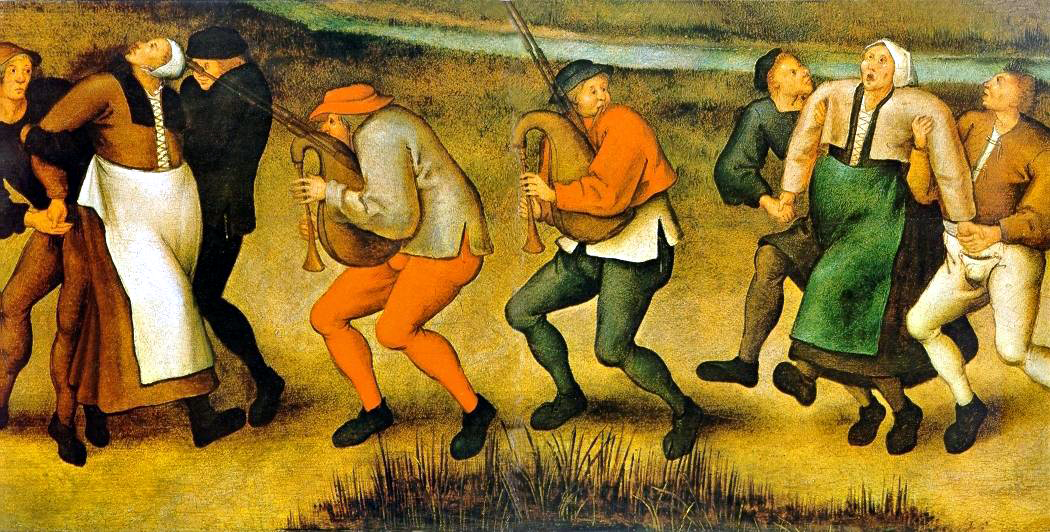
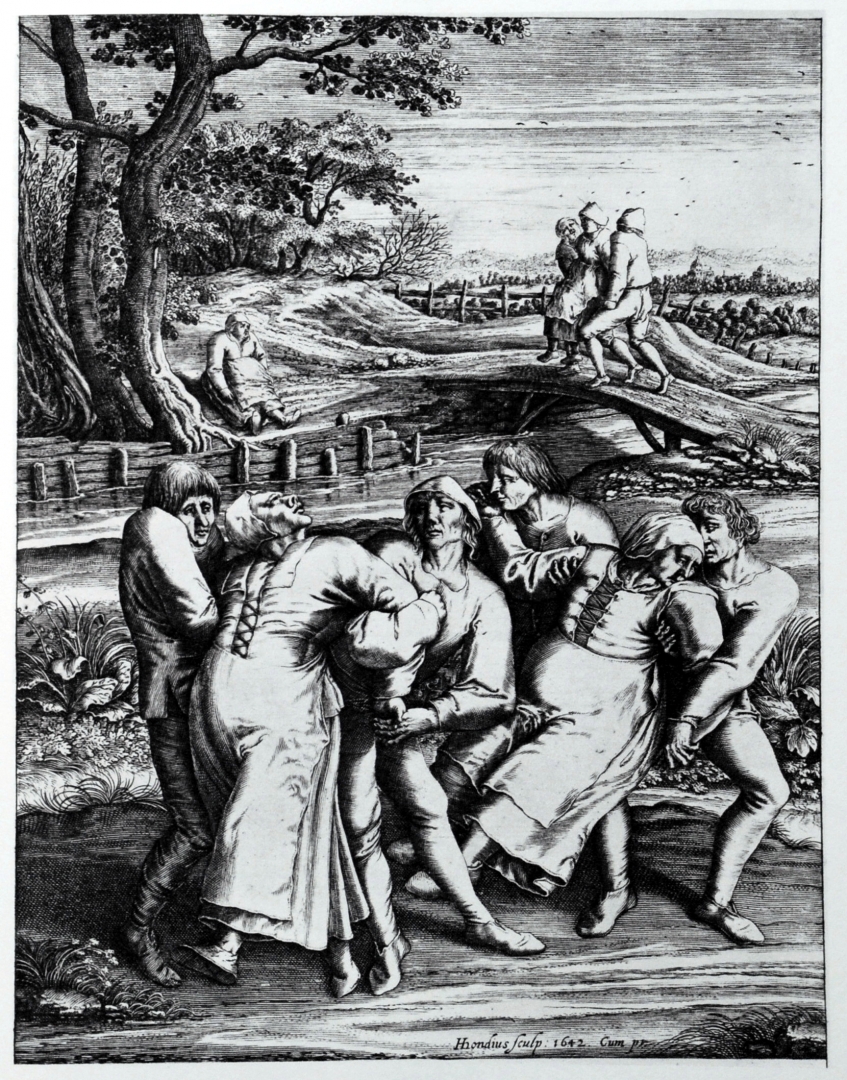
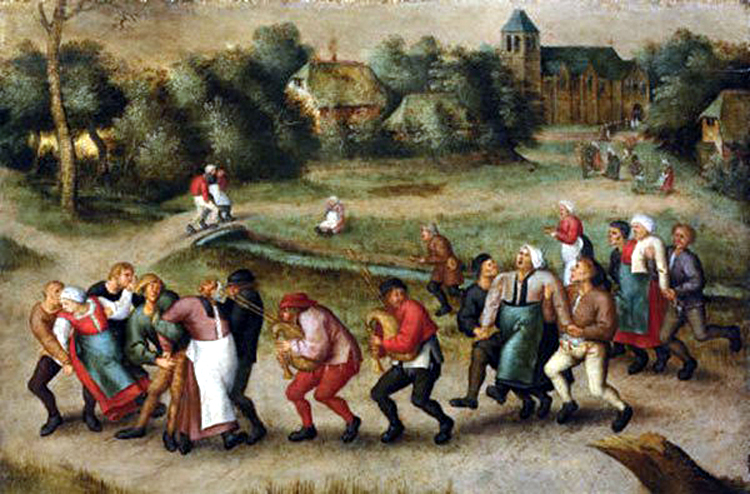
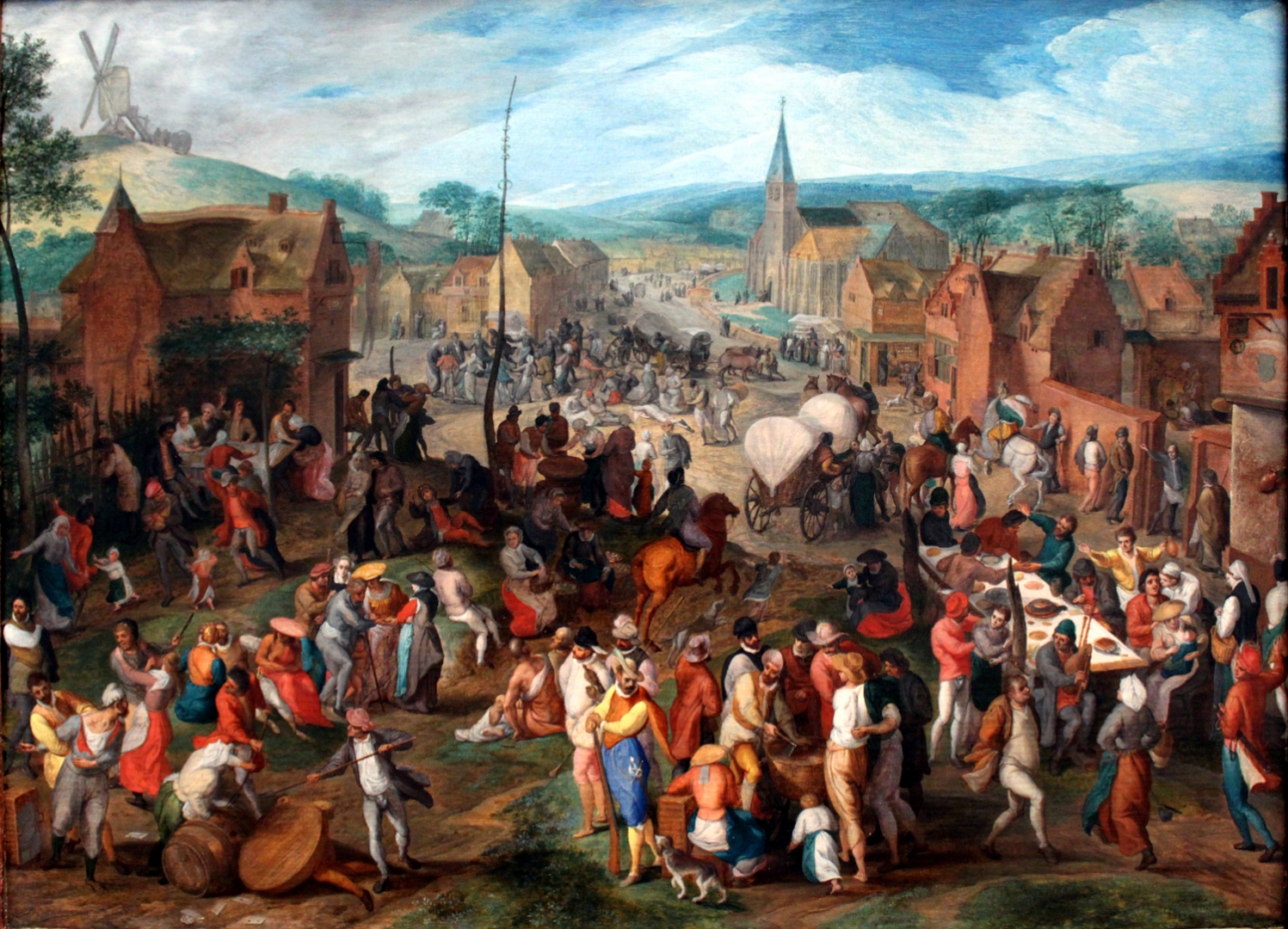
In 1518, Strasbourg was struck by a strange plague: hundreds of citizens apparently went mad and took to the streets to dance in ecstasy. They continued dancing until they fell to the ground with bleeding feet from exhaustion and died.
No one batted an eyelid when Mrs. Troffea closed the door behind her. She walked a little strangely and took odd steps, but Strasbourg in 1518 was a bustling city. Only after a while did people begin to notice that the otherwise prim and proper woman was not walking, but dancing, as if in a trance. Despite the summer heat, she kept going, even when her husband tried in vain to calm her down. In the hours that followed, she attracted more and more attention, and by evening she could no longer move her legs. She collapsed and fell asleep.
♦ 400 dancers filled the streets
When Mrs. Troffea woke up the next morning, she jumped up and continued dancing on her blisters and open wounds. At first, people thought she was trying to ridicule her husband in revenge for something he had done. But she kept dancing, and afterwards it became clear to everyone that the exhausted woman had simply lost control of her legs.
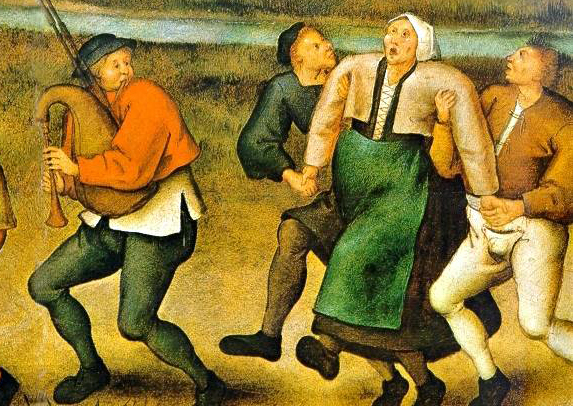
After a few days, dozens of people had been swept up in the dancing mania, and the streets were one big madhouse. Everywhere there were people dancing and skipping, not out of joy but moaning in pain, calling on God and the saints and, in moments of clarity, begging the spectators for help.
The city was in turmoil and the authorities were ready to intervene, but they didn't know how. Doctors advised letting the dancers rage so that they could sweat out the ‘bad juices’. The city council followed the advice, hired musicians, and cordoned off the market square. There, the dancing madmen were gathered to continue dancing to the music of bagpipes and drums.
It got worse and worse, the madness spreading further. Four hundred people were seized by the madness, most of whom died of exhaustion or heart attacks.
♦ Thousands of people in a trance
The dancing plague of 1518 was not the first and not the most extensive.
Similar epidemics occurred in the 12th and 13th centuries. The greatest plague, which occurred in the Rhineland in 1374, is described in a chronicle. The epidemic raged from Aachen to Ghent in the north to Metz and Strasbourg in the south. Throughout the summer, groups of dancing people moved from city to city, infecting others with the dancing virus. The chronicle speaks of thousands of men and women who were in a trance and danced while moaning in pain and begging God for mercy. The dancing mania in Strasbourg in 1518 is so well documented because it took place after the invention of printing and also because the city was relatively well organized. The documents come from medical records, sermons, local chronicles, and the city archives, among other sources.
For centuries, doctors and historians have been putting forward theories about its cause. Everything has been suggested, from poisoning with ergot fungus, heretical rituals, an epidemic form of Huntington's disease, to epilepsy. Scientists now know that harsh living conditions and religious beliefs were the causes of the mass hysteria.
♦ Pressure from the church fuels hysteria
The years before 1518 were difficult times for the inhabitants of Strasbourg and the surrounding areas.
The Renaissance was not only a golden age in which art and philosophy flourished at the royal courts, because for the poor it was a harsh time. Few children reached adulthood, wars and epidemics followed one another, and a poor harvest simply meant no food. Strasbourg suffered from failed harvests, causing the price of grain to skyrocket.
Churches and monasteries took advantage of the situation and made a fortune from the grain they had previously claimed from the farmers. While the hungry farmers looked on, more and more grain disappeared to richer regions. Thousands died and many more were malnourished.
♦ Mass hysteria — or mass psychogenic illness — is a physical manifestation of psychological pressure.
In the 16th century, the church was responsible for such a phenomenon. At that time, life was dominated by religion and the world was seen as a source of good and evil. Holidays determined the year, and not a day went by without prayer or church attendance. People hoped for eternal salvation after death, but hellfire lurked, so it was important to atone for your sins with rituals, fasting, and prayer. In 1518, the people of Strasbourg were convinced that Saint Vitus had cursed them with a dance to punish them for their sins.
As hysteria took hold, they accepted the punishment imposed on them by their religious conscience: an ecstatic dance. The crowd was strengthened in its belief by each new victim who got carried away, believing that a higher power was behind it. The epidemic was a fact.
♦ Authorities sent Mrs. Troffea away
The fate of Mrs. Troffea is unknown. Sources only say that after dancing for six days, she was taken to the chapel of St. Vitus. The city council ignored the advice to let the dancers dance themselves out and sent them on a pilgrimage to the chapel, a day's walk away. Many were cured during the walk, and in September 1518, the dancing mania subsided.
Bron: Historia